
Can mold ever be fully removed?
Visible mold growth can be fully removed from a building, but mold spores are everywhere in normal air and can never be brought to zero. The goal of remediation is to remove the growth, fix the moisture that fed it and return indoor levels to what is normal for the outdoors.
Fully licensed and insured
Monday to Sunday: Open 24 hours
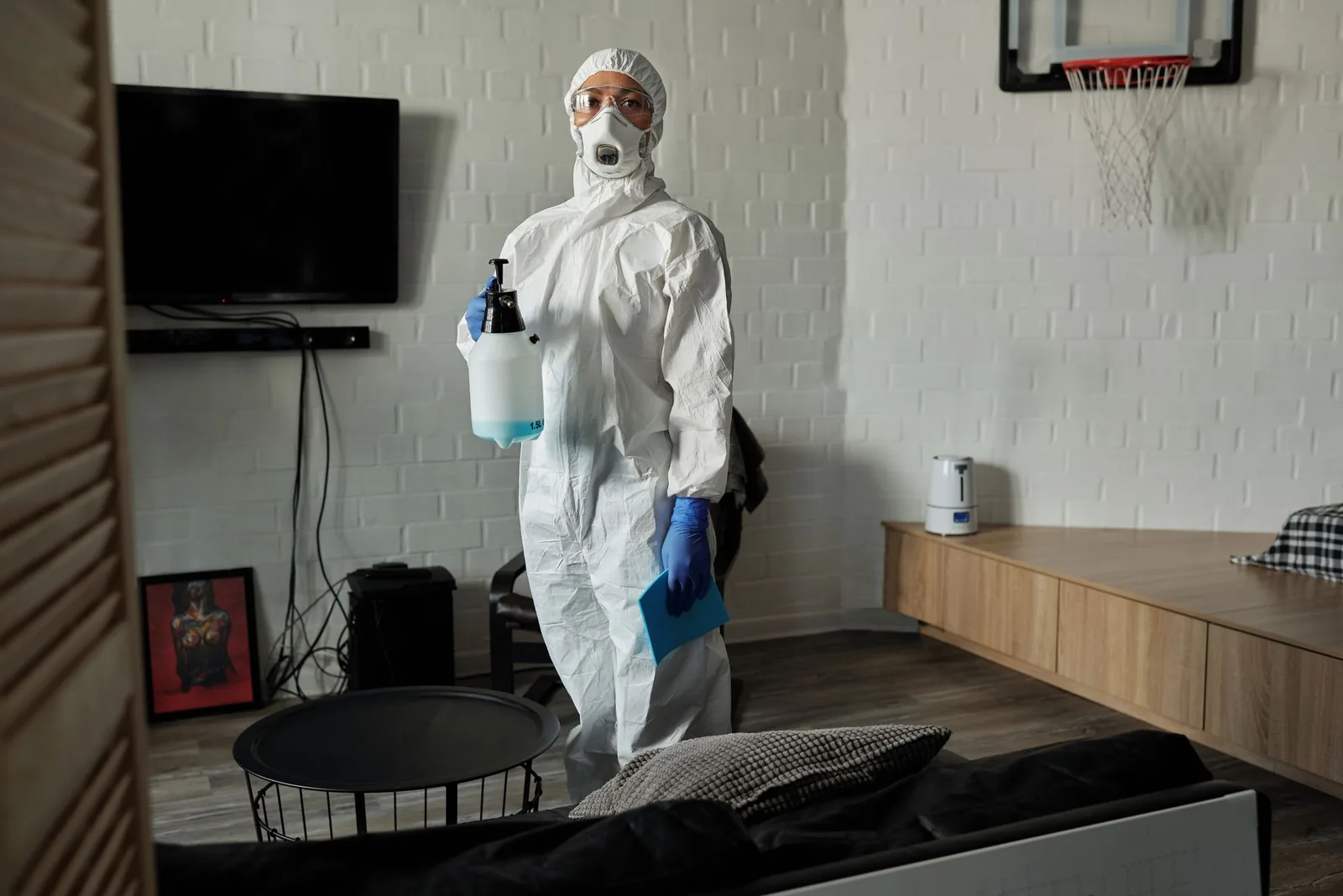
What removed really means
Mold is a natural part of the environment. Spores drift in through windows, on clothing and on pets, and a small number in indoor air is normal. What causes trouble is active growth: colonies established on a damp surface that release spores in much larger numbers. Remediation targets that growth.
A properly done job removes the contaminated material or cleans it thoroughly, controls the dust so spores are not spread to clean rooms, and then deals with the reason the area was damp. Without the last step, the problem can come back even after a flawless cleaning.
How a thorough remediation proceeds
- Find the moisture source.A roof, window, plumbing or condensation problem has to be identified and fixed, or the mold returns.
- Contain the area.Plastic barriers and negative air keep disturbed spores from drifting through the rest of the home.
- Remove and clean.Porous materials with growth, such as wet drywall and insulation, are removed. Solid materials like framing are cleaned and dried.
- Filter the air.HEPA air filtration captures airborne particles during and after the work.
- Verify.We check that the area is dry and clean before it is closed in or rebuilt.
Why mold returns when the job is rushed
The most common failure is treating the surface and ignoring the water. A bathroom fan that vents into the attic, a window that leaks in heavy rain or a basement wall that stays damp will grow new mold on any new material you install. We document the moisture readings so you can see that the structure has dried. Our containment and air filtration page explains the controls we use to keep a job from spreading.
Humidity matters too. Indoor humidity that stays above about the level of a damp bathroom for long periods supports growth. Running a dehumidifier in basements and using exhaust fans properly are practical habits that help.
Signs that growth may still be present
- A musty smell that returns after cleaning
- Staining or fuzzy patches that reappear in the same place
- Peeling paint or bubbling wallpaper
- Condensation on cold surfaces that does not clear
- Allergy-like symptoms that seem worse in one room
What clean looks like in Toronto homes
Toronto basements, bathrooms and attics are the usual trouble spots. After remediation, you should see removed or cleaned materials, dry readings, a sealed and clean work area and a plan to keep humidity down. If a company cannot tell you what was done to stop the water source, ask again. A good job leaves you with a clear record of what was found, what was removed and what was fixed, which is useful if you sell the home or make a claim.
Related questions
Is bleach enough?
No. Bleach can lighten stains on hard surfaces but does not solve porous materials or the moisture problem.
Do I need to test after the work?
Testing is an option. We can discuss when it is useful for your situation.
What does the assessment cost?
It is free, and you receive a written scope and price.
Request a quote
Tell us what you need and we will get back to you. In a hurry? Calling is fastest.
Call about mold in your home
Call us any day. The assessment is free, and you get a written scope and price before any work begins.
Call now (416) 272-3881